
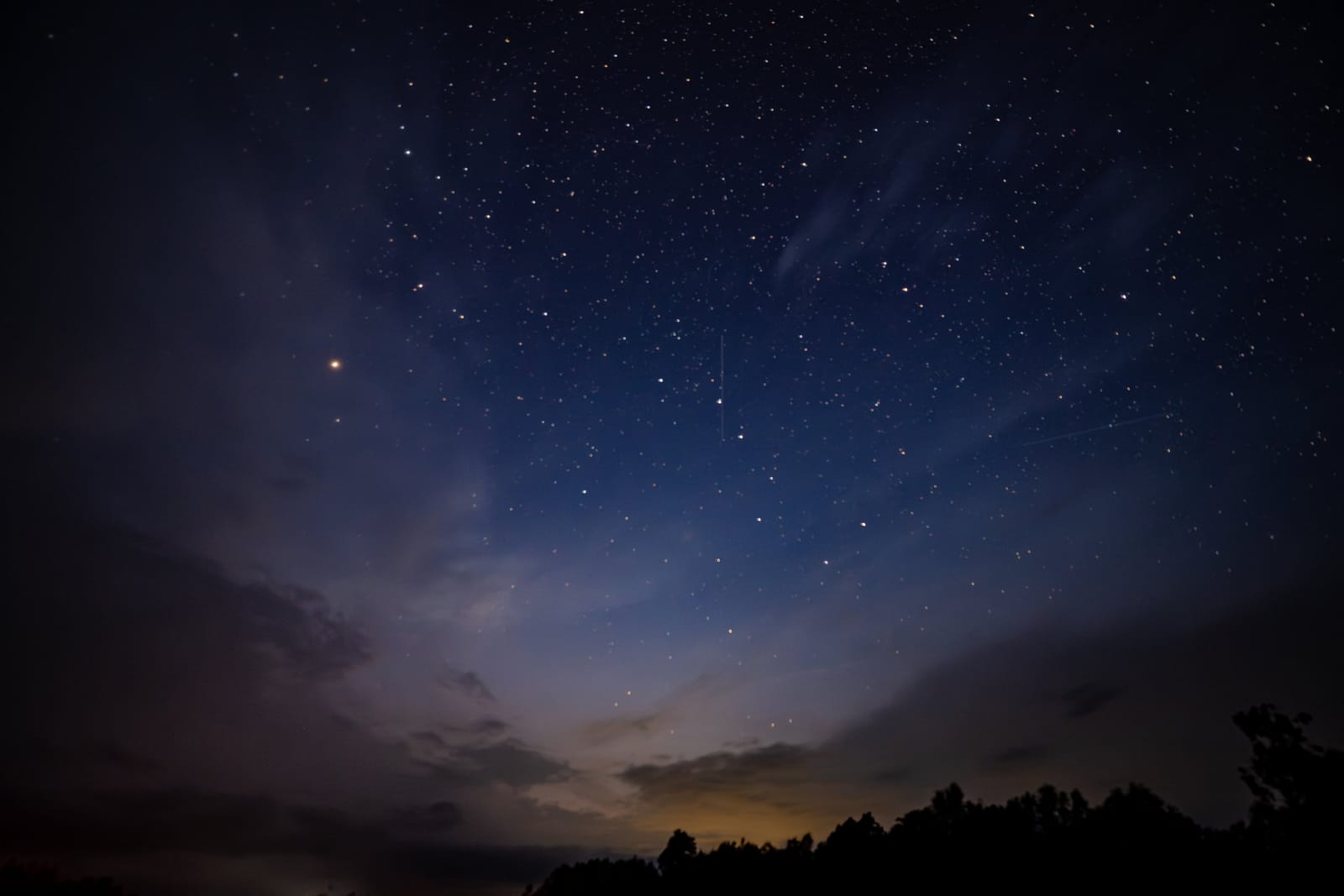
This past week, the family and I went on a camping trip to Cherry Spring State Park in northern PA. Cherry Spring is a designated Gold Tier international Dark Sky Park, offering nearly zero light pollution, making it an optimal area for viewing starts and celestial events. On clear nights, ~30k stars are viewable alongside the Milky Way, nebulae, planets, etc.
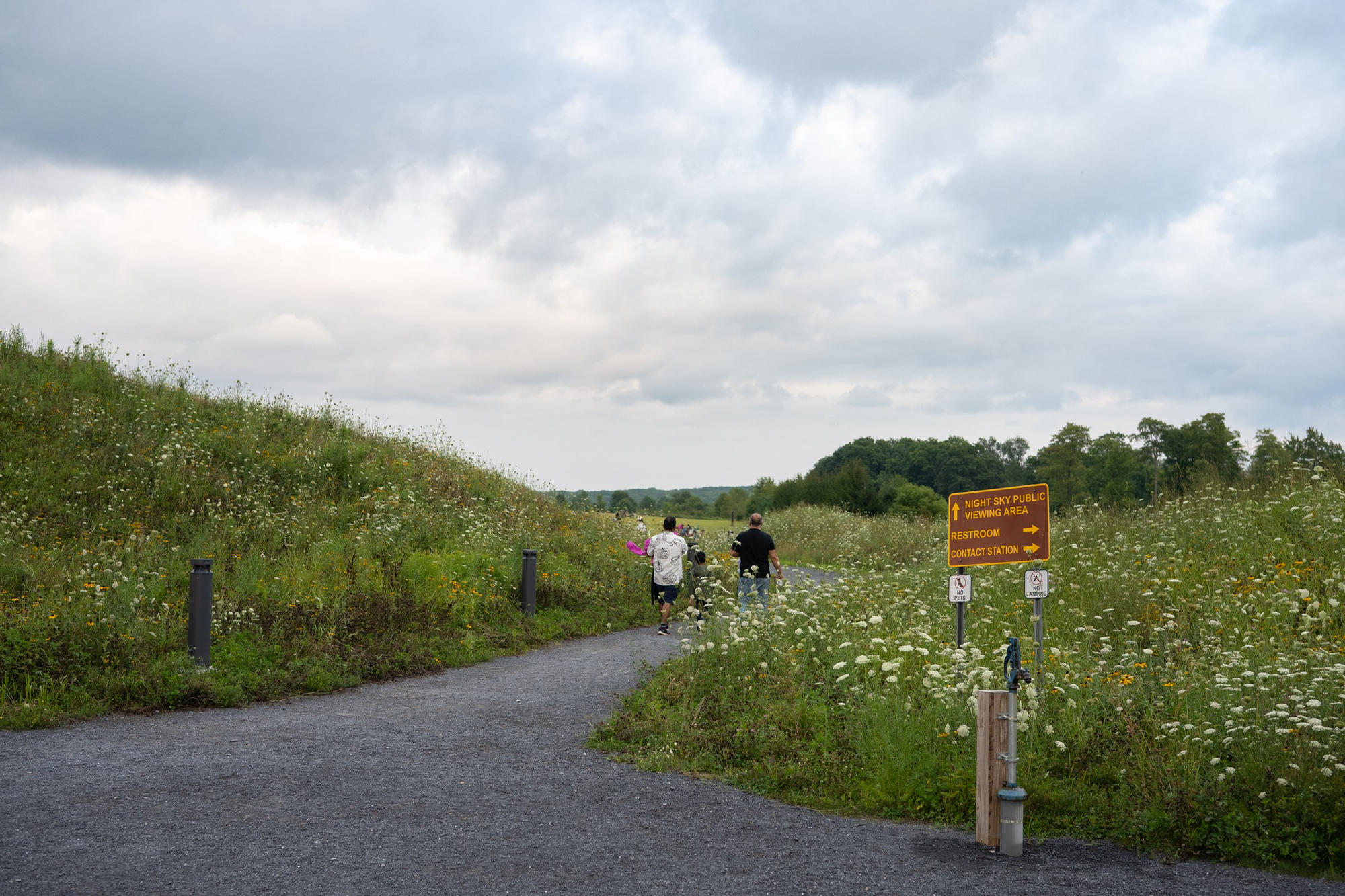
My wife organized a camping trip for us to see the Perseid Meteor shower - an annual event that is active from mid-July to late August, which produces ~50-100 meteors per hour under ideal dark sky conditions like the one Cherry Spring offers.
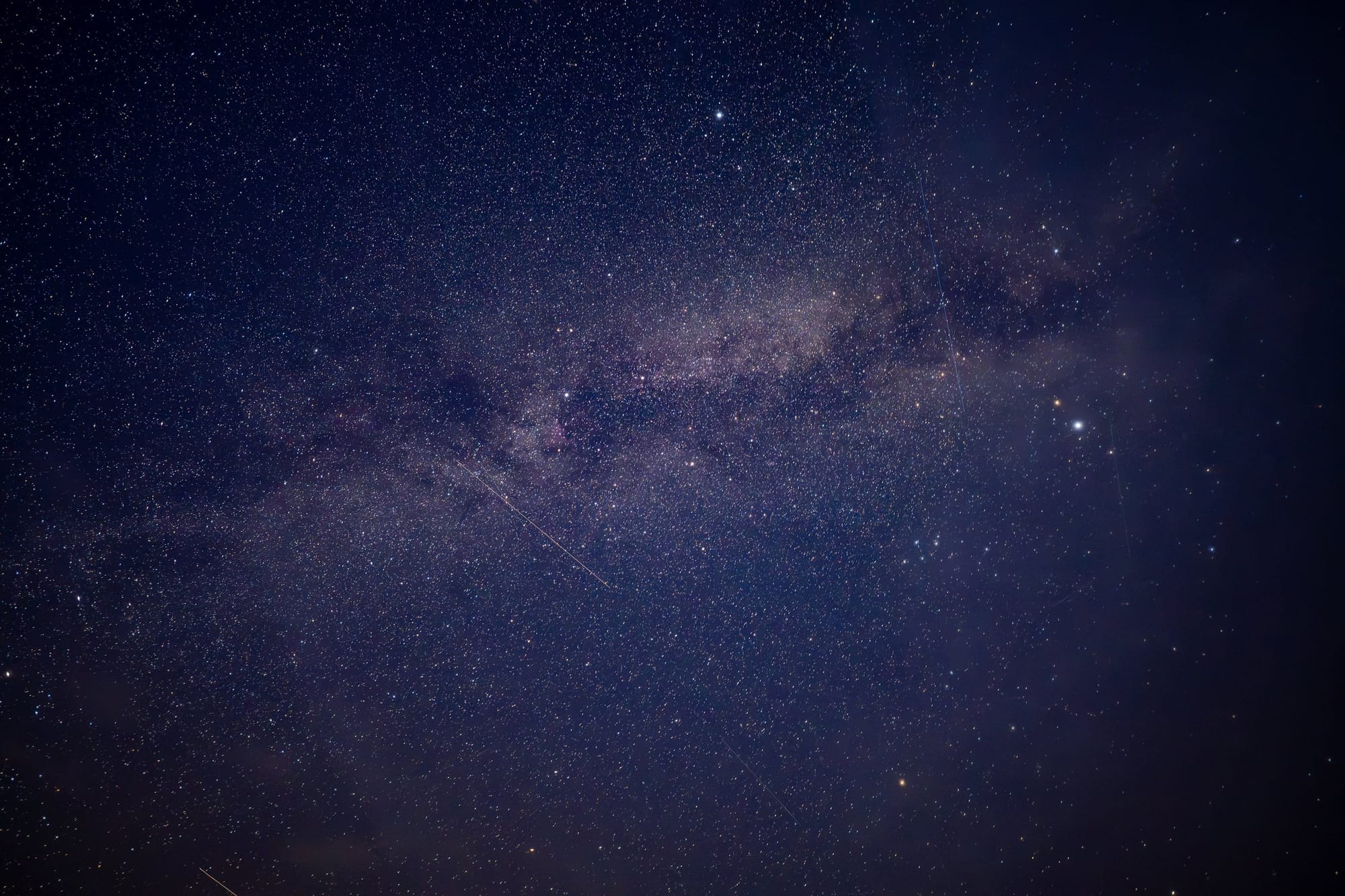
While there were unfortunately clouds and rain storms for our trip to the park, we did get a good ~40 minutes where the sky opened up and we were treated to a number of meteors that streaked across the sky. I was also able to capture the Milky Way, and some meteors (along with satellites) in the night sky before the clouds cover came back in.
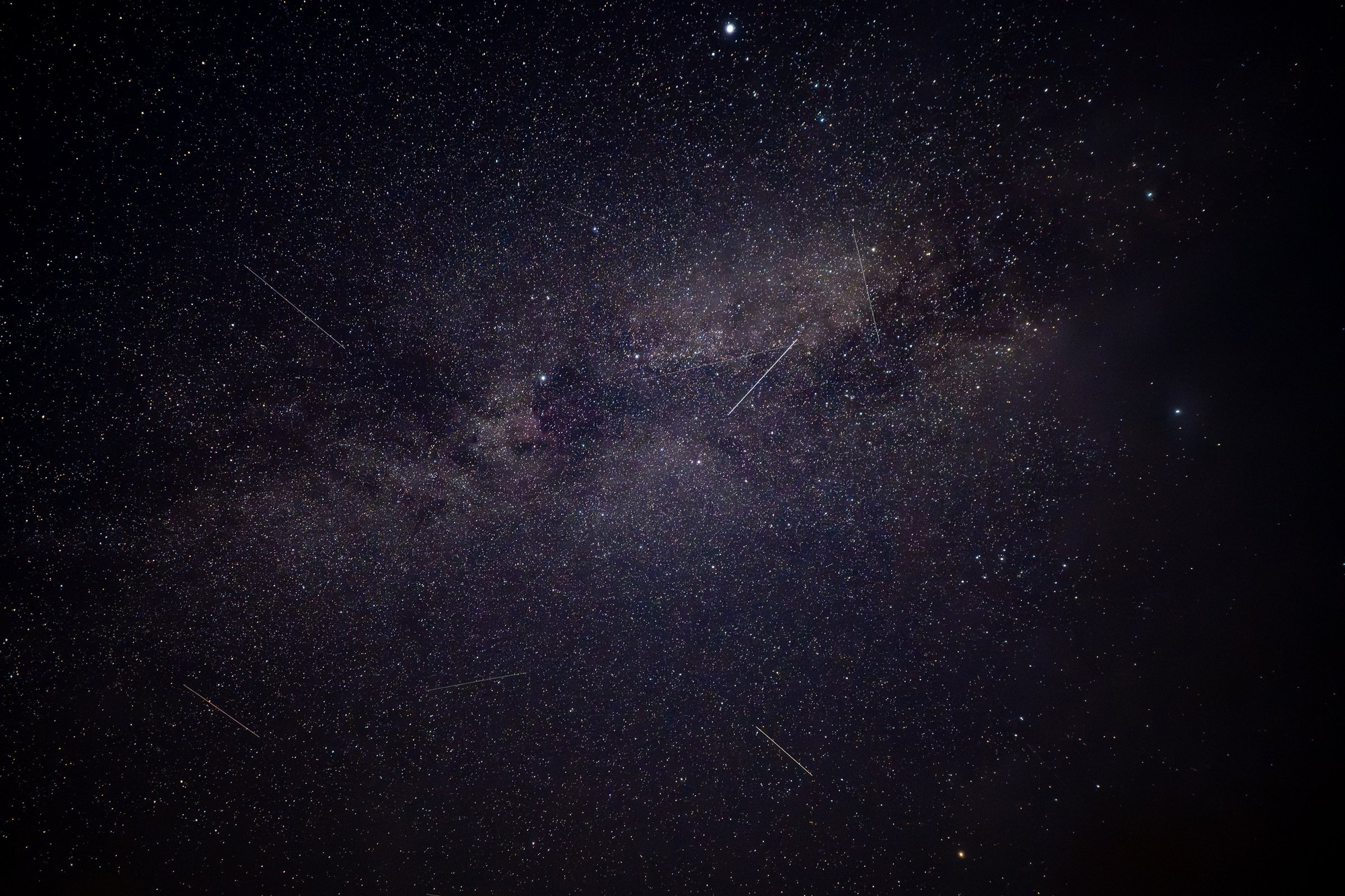
| Setting | Value |
|---|---|
| Camera | Nikon Zf |
| Lens | Nikkor 14-28mm f/2.8G ED |
| Aperture | f/2.8 |
| Exposure | 10/1s |
| ISO | 6400 |
| Focal Length | 24mm |
I found that any exposure above ~10-15s resulted in star trails, which was not the effect I wanted. So, I needed to crank the ISO to 6400 to keep the exposure time down. Apparently, I need to buy a star tracker for my tripod now, since I really do enjoy astrophotography.
The "blessed" method appears to be using that newly purchased star tracker to fix the lens at a specific point in the night sky, and move the camera with the rotation of the earth - take multiple long exposures at a relatively low ISO to reduce noise and retain color - stack those images in software to enhance the final output.
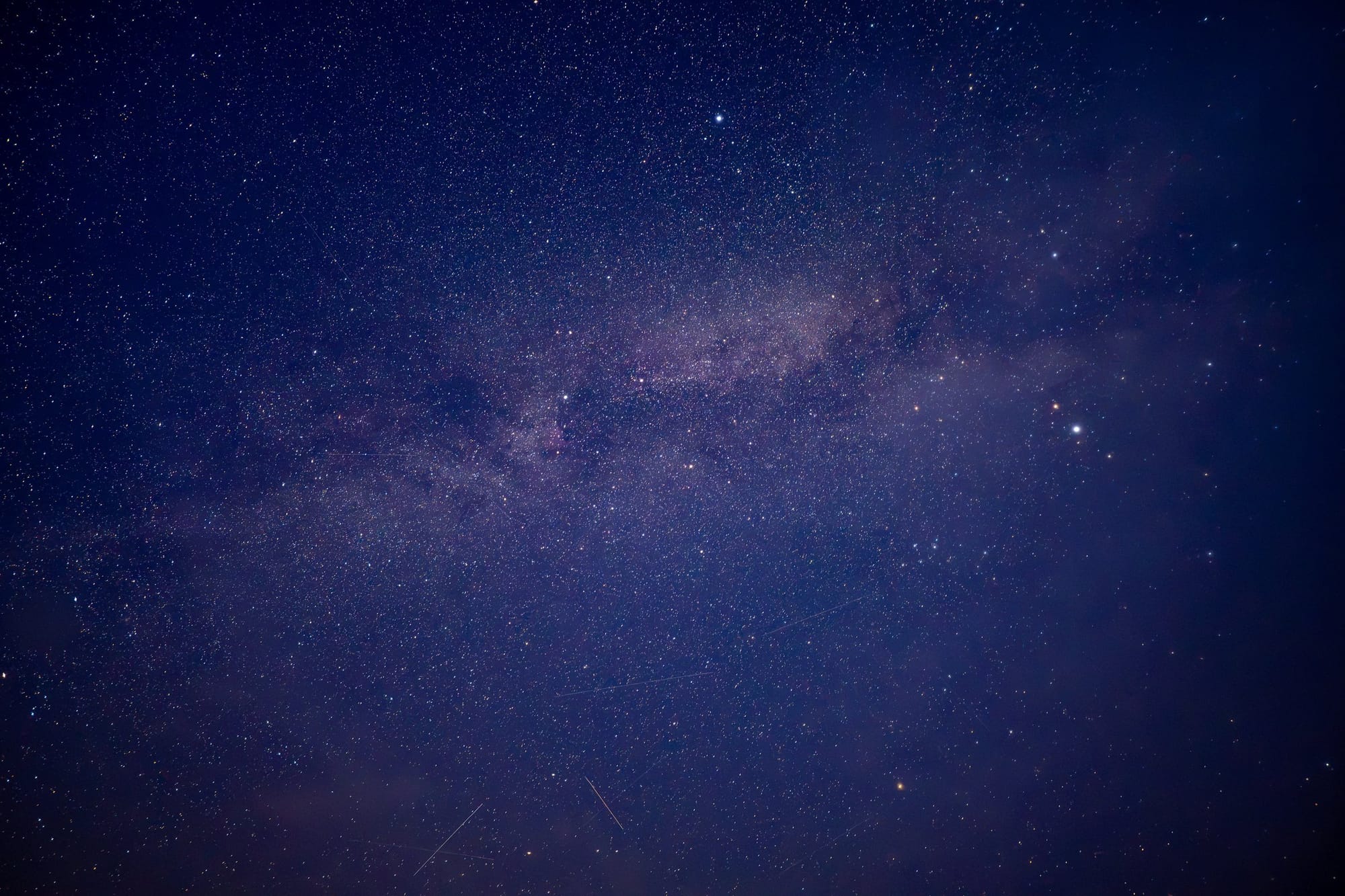
Having said that, I was happy with the results that I achieved here, alongside some noise reduction in Lightroom. Here are the rest of the photos I took before the clouds rolled back in.
Looking forward to doing more of these in the future!
Member discussion